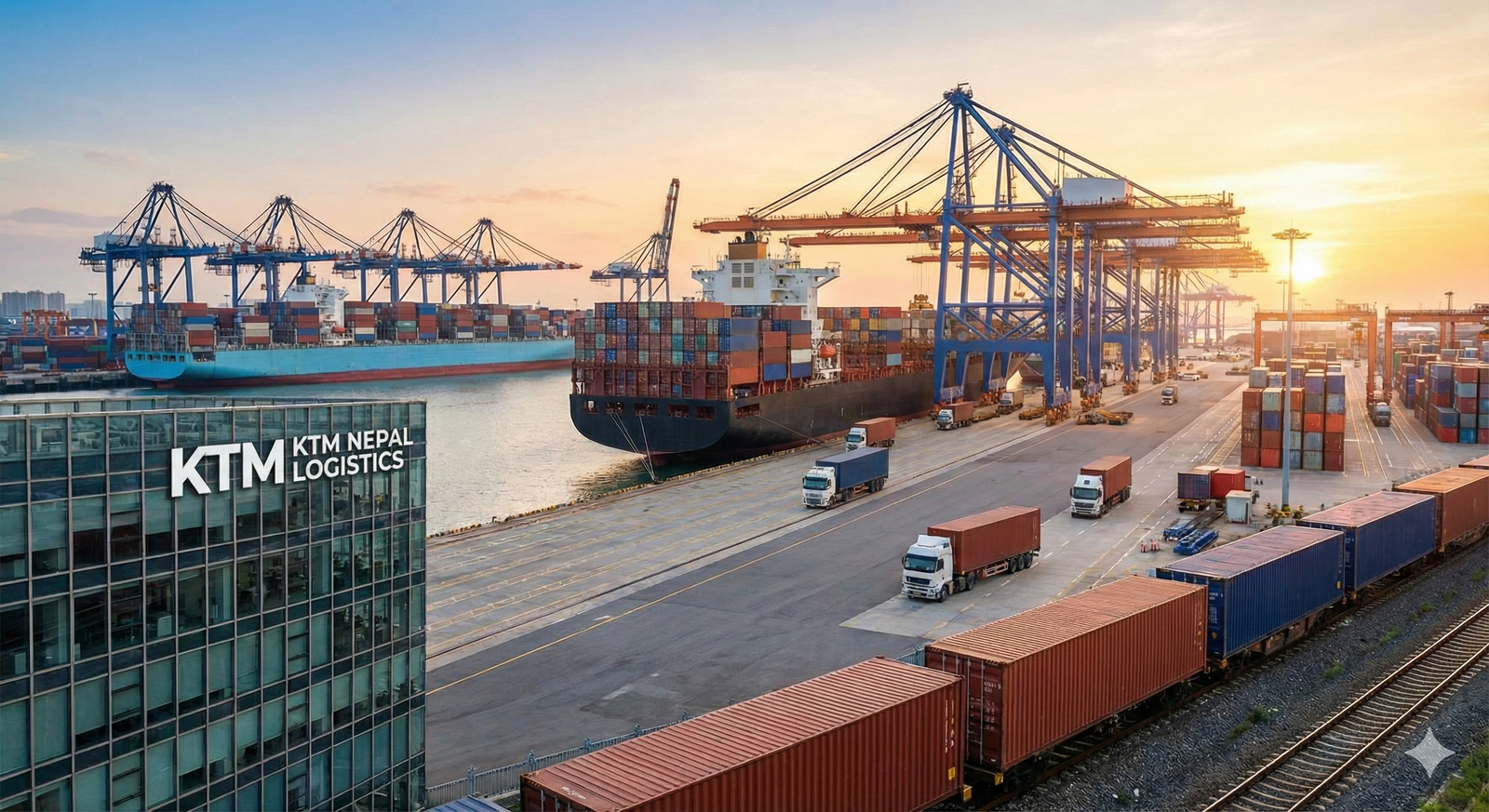
Export Guide in Nepal: Steps to Grow Your Business Globally Exporting goods from Nepal can open up new markets and significantly boost business growth. With the right knowledge of procedures, regulations, and logistics, Nepalese businesses can successfully reach international customers. This guide provides an overview of the key steps involved in exporting from Nepal. Understanding Export Regulations Before starting exports, businesses must be aware of Nepal’s trade policies and regulations. The Department of Commerce and Supplies and the Department of Customs set the rules for exportable goods, documentation requirements, and export taxes. Key requirements include obtaining a Business Registration Certificate, Permanent Account Number (PAN), and a VAT Registration Certificate if applicable. Certain goods may also require quality certifications or government approvals before export. Identifying Markets and Products Successful exporting starts with market research. Businesses should identify which products have demand abroad and understand market standards, pricing, and competition. Common Nepalese exports include handicrafts, textiles, carpets, tea, coffee, herbs, and agro-products. Understanding target markets helps determine packaging standards, labeling requirements, and shipping methods suitable for international buyers. Preparing Export Documentation Accurate documentation is crucial for smooth customs clearance and international shipping. Essential documents typically include: Commercial Invoice Packing List Bill of Lading or Airway Bill Certificate of Origin Export License (if required) Insurance documents Proper documentation ensures compliance with both Nepalese regulations and the importing country’s requirements. Logistics and Shipping Efficient logistics is key to exporting successfully. Businesses should work with professional logistics providers, like KTM Nepal Logistic PVT. LTD., for secure and timely shipment of goods. Options include air freight for time-sensitive products and container shipping for bulk goods. Choosing the right shipping method, tracking shipments, and ensuring proper packaging are essential to protect products and meet delivery schedules. Payment and Risk Management Exporters must establish secure payment methods to minimize risk. Common options include Letters of Credit (LC), advance payments, or bank transfers. Understanding currency exchange, export insurance, and international trade terms (Incoterms) helps protect both the exporter and the buyer during the transaction.
