
Nepal Logistics Policy & Trade Growth
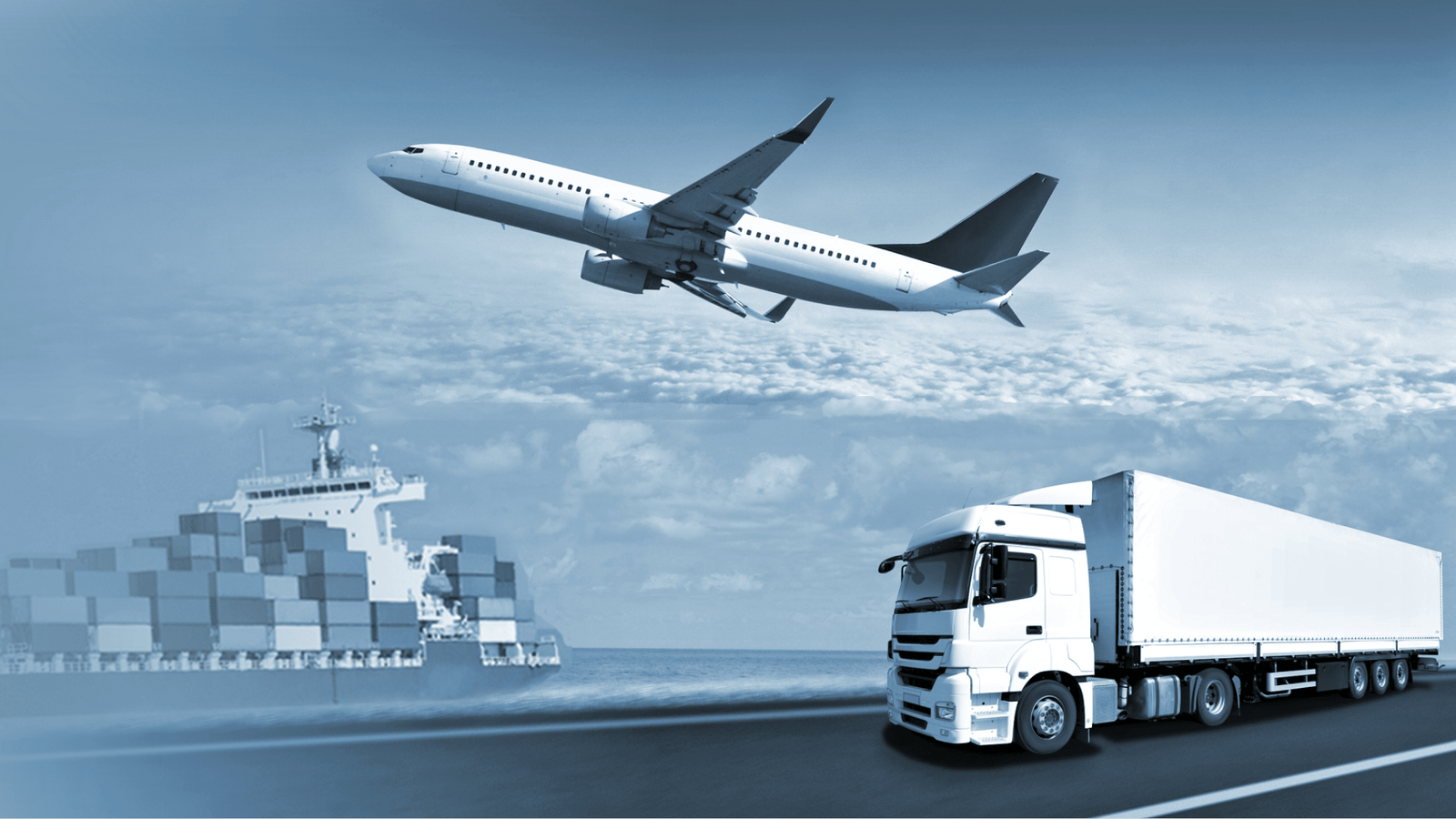
Nepal’s logistics sector plays a crucial role in supporting the country’s trade, supply chain management, and overall economic development. As a landlocked nation, Nepal relies heavily on efficient transportation systems, customs coordination, and cross-border trade agreements to facilitate imports and exports. Recognizing this importance, the Government of Nepal has introduced policies and reforms aimed at improving infrastructure, simplifying trade procedures, and modernizing the logistics industry to make it more competitive and reliable.
One of the key focuses of Nepal’s logistics policy is trade facilitation. Efforts have been made to streamline customs clearance procedures, digitize documentation systems, and reduce unnecessary delays at border points. The development of dry ports, inland container depots (ICDs), and improved road corridors has strengthened connectivity between Nepal and its neighboring countries, particularly India and China. These improvements help reduce transit time, lower transportation costs, and encourage smoother movement of goods across borders.
Infrastructure development is another major component of Nepal’s logistics strategy. Investments in highways, airports, and cargo facilities are aimed at improving both domestic and international freight movement. Upgrading air cargo services and expanding warehousing capacity are essential steps toward meeting the growing demand created by e-commerce, manufacturing, and international trade. A stronger logistics infrastructure not only benefits businesses but also attracts foreign investment by creating a more predictable and efficient trade environment.
Looking ahead, Nepal’s logistics policies continue to emphasize modernization, digital transformation, and public-private collaboration. By encouraging private sector participation and adopting international best practices, Nepal aims to build a resilient and sustainable logistics ecosystem. As policies evolve and infrastructure improves, the logistics sector will remain a key driver of economic growth, supporting businesses and strengthening Nepal’s connection to global markets