Industry Insights: Building Efficient Cross-Border Trade Network
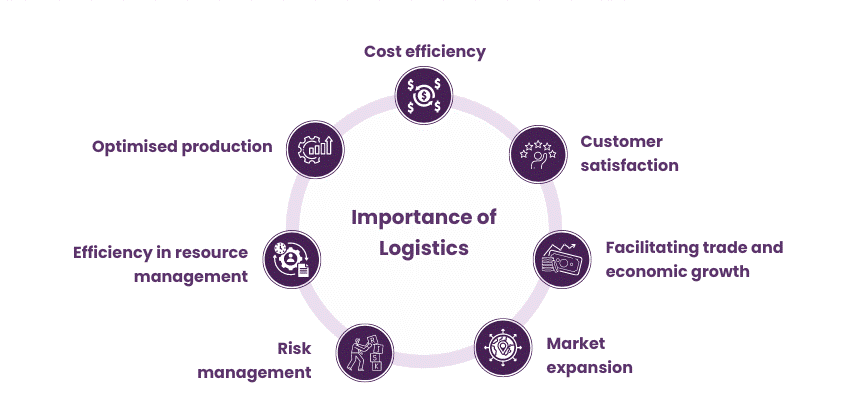
Cross-border trade is a vital component of Nepal’s economic growth, connecting local businesses to regional and global markets. As a landlocked country, Nepal depends heavily on well-coordinated transit systems and strong partnerships with neighboring nations. Efficient cross-border trade networks help reduce delivery times, lower transportation costs, and ensure that goods move smoothly from origin to destination. Strengthening these networks is essential for boosting exports, supporting imports, and enhancing overall trade competitiveness. One of the key factors in building efficient cross-border trade systems is streamlined customs and documentation procedures. Simplified clearance processes, digital documentation, and better coordination among border authorities significantly reduce delays and administrative burdens. Investments in dry ports, inland container depots, and improved road connectivity have also played a crucial role in facilitating smoother cargo movement between Nepal and its neighboring countries. These improvements create a more predictable and reliable trading environment for businesses. Infrastructure development and logistics modernization further strengthen cross-border trade networks. Upgraded highways, enhanced cargo terminals, and better warehousing facilities contribute to faster and safer transportation of goods. Additionally, the adoption of technology—such as shipment tracking systems and digital communication platforms—improves transparency and coordination throughout the supply chain. Logistics companies like KTM Nepal Logistic PVT. LTD. play an important role in supporting businesses with professional cargo handling and efficient international freight solutions. Looking ahead, collaboration between government authorities, private logistics providers, and international trade partners will be key to building sustainable cross-border trade networks. By continuing to invest in infrastructure, digital transformation, and policy reforms, Nepal can strengthen its position in regional trade. Efficient cross-border logistics not only support economic growth but also open new opportunities for businesses to expand beyond domestic markets and compete on a global scale.